
What Happened
On May 8, 2026, a cybercrime group executed a high-profile data extortion attack against Canvas, the learning management system (LMS) used by thousands of K-12 school districts and universities across the United States. The attackers defaced Canvas's login page with a ransom demand and threatened to publicly release data belonging to an estimated 275 million students and faculty across nearly 9,000 educational institutions. Classes were disrupted as institutions scrambled to respond, and the breach was first reported by KrebsOnSecurity.
Canvas, developed by Instructure, is one of the dominant LMS platforms in U.S. education. It is used to manage coursework, grades, communication between students and instructors, and in many cases, personally identifiable information (PII) tied to financial aid applications and student health accommodations. The breadth of this breach, nearly a quarter-billion records, places it among the largest education-sector incidents on record.
Why This Matters Beyond the Classroom
At first glance, a breach targeting schools and colleges may not seem immediately relevant to a medical practice, a tax firm, or a small retail business. That assumption is a mistake. Here is why this event carries operational risk far outside of education:
The credential spillover problem. Students and faculty routinely reuse passwords. If an educator uses the same login credentials for Canvas that they use for their workplace email, a patient portal login, or a business banking account, those credentials are now potentially in criminal hands. Password reuse remains one of the most exploited vulnerabilities in small-business breaches, and a massive education dump like this one creates fresh fuel for credential-stuffing attacks across every sector.
Social engineering at scale. Records from an LMS typically include full names, institutional email addresses, course enrollment data, and in some cases home addresses, phone numbers, and dates of birth. That combination is more than enough for a threat actor to construct convincing spear-phishing emails. A fraudster who knows that a person attends a specific university, is enrolled in an accounting course, and uses a particular email address can craft a highly believable lure, whether they are targeting that individual directly or using the data to impersonate them to their employer or financial institution.
Tax and financial fraud vectors. For tax professionals and financial advisors, the concern is acute. Students frequently use institutional addresses as secondary contacts on tax filings, FAFSA applications, and financial accounts. Breached records may contain enough data points to enable identity theft for fraudulent tax returns, new-account fraud, or synthetic identity creation. The 2026 tax season may see a downstream spike in fraud tied directly to this breach.
Healthcare and HIPAA adjacency. Many institutions store accommodation and disability-related information within their LMS for registered students with medical needs. While Canvas itself is not a covered entity under HIPAA, the exposure of health-adjacent data creates privacy risks and could be weaponized to pressure individuals or their families. Healthcare providers should be alert to patients who report suspicious communications referencing their educational records.
Key Takeaway
If you, your employees, or your clients have any connection to a U.S. school or university, as a student, instructor, administrator, or parent of a student who may have had an account, treat this as a personal credential risk event. Assume associated email addresses and passwords are compromised and act accordingly. Do not wait for official notification from an institution before taking protective action.
Immediate Defensive Actions for Your Practice or Business
1. Audit and rotate shared or reused passwords. Ask employees whether they use any work-related email addresses for personal educational accounts, or vice versa. If so, those passwords should be changed immediately on all platforms where they were reused. This is a good moment to enforce the use of a business password manager if you have not already done so.
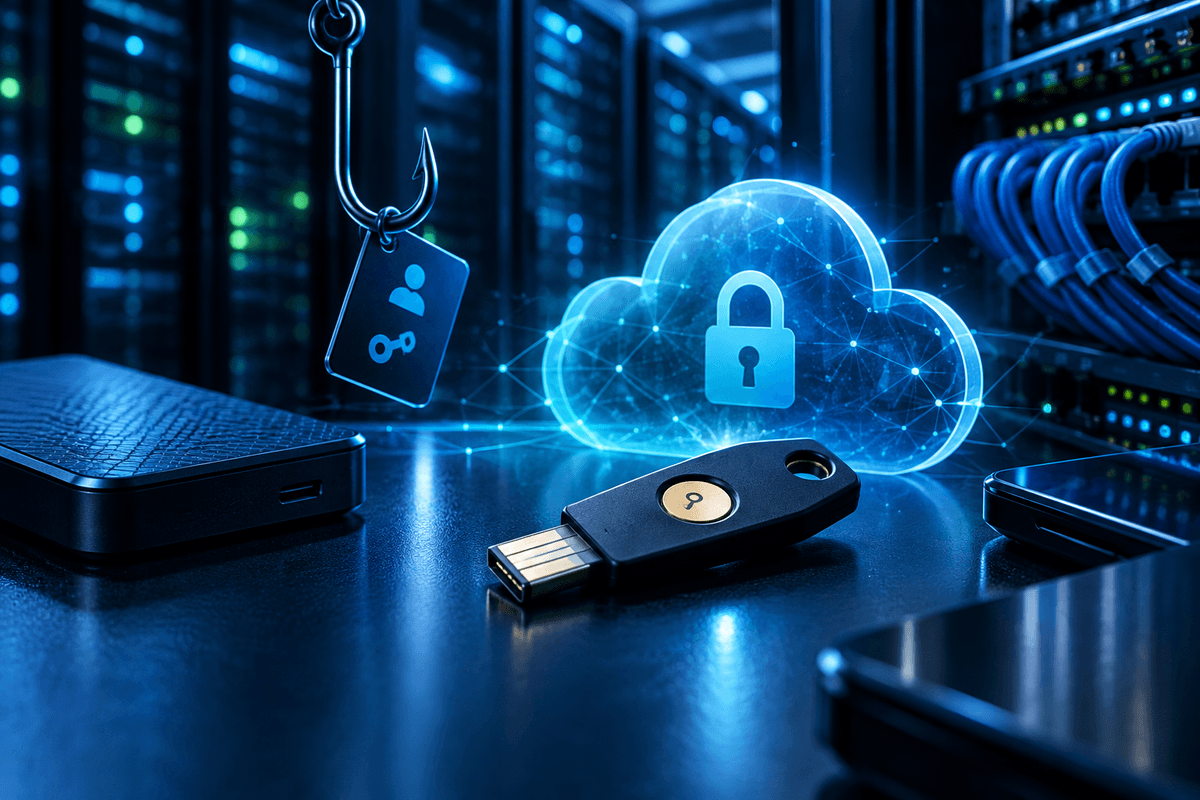
2. Enable or verify multi-factor authentication (MFA) on all critical accounts. MFA is the single most effective control against credential-stuffing and account takeover attacks. Ensure MFA is active on email platforms, accounting software, EHR or practice management systems, tax preparation tools, and any cloud storage services. SMS-based MFA is better than nothing, but authenticator apps or hardware tokens are preferable.
3. Brief your team on elevated phishing risk. In the weeks following a major breach, threat actors move quickly to deploy phishing campaigns using freshly acquired data. Alert staff to be especially skeptical of emails referencing educational institutions, student loan services, or financial aid, even if those emails appear to come from known contacts. Verify unusual requests through a secondary channel before clicking links or providing credentials.
4. Monitor for identity fraud indicators. Tax professionals should brief clients on checking their IRS online account for unexpected activity and consider proactive Identity Protection PINs for clients who may be affected. Healthcare administrators should monitor for anomalous account access attempts on patient portals, as attackers sometimes use breached credentials to probe healthcare logins for insurance and billing data.
5. Review third-party vendor exposure. If your organization uses any educational platforms, for employee training, continuing education credits, compliance coursework, inventory those relationships now. Confirm with those vendors whether their platforms share infrastructure or single-sign-on integrations with Canvas. Supply chain and vendor risk is the mechanism by which a breach in one sector becomes a liability in another.
The Bigger Picture
The Canvas breach is a reminder that critical infrastructure no longer means only power grids and hospitals. Learning management systems have become deeply embedded in the fabric of American institutional life, storing sensitive data for tens of millions of people who never thought of themselves as being at risk from a cyberattack. When a platform of this scale is compromised, the blast radius extends far beyond the direct victims, it ripples into every sector where those individuals also have accounts, relationships, and financial exposure.
Bellator Cyber Guard will continue monitoring this situation as more details emerge about the nature of the compromised data and the identity of the threat actors involved. Organizations seeking help assessing their exposure or hardening their access controls in response to this event are encouraged to reach out to our team.
Learn first. Decide when you are ready.
Keep learning, or apply this to your situation
Continue with a related guide, compare your options, or ask a specialist to help turn the advice into a practical next step.
People also look for
Keep exploring Passwords & account security
Make passwords, password managers, MFA, and passkeys work together to reduce account takeover risk.
- Common question: password security best practicesApply current password best practicesUse long unique passwords, password managers, MFA, and passkeys where they make sense.
- Common question: NIST password manager guidanceRead the NIST password manager guidanceUnderstand how official guidance treats password managers and modern authentication.
- Common question: best password manager for personal useChoose a personal password managerCompare the practical features that make a password manager safer and easier to keep using.
- Common question: how to create a strong passwordCreate stronger, unique passwordsReplace short, reused passwords with a system that is both stronger and manageable.
- Common question: password security guideStart with the password security guideBuild a complete account-protection routine for work or home.