
0

Creating Your Essential Written Information Security Plan: A Tax Professional’s Complete 2025 Guide

Table of Contents

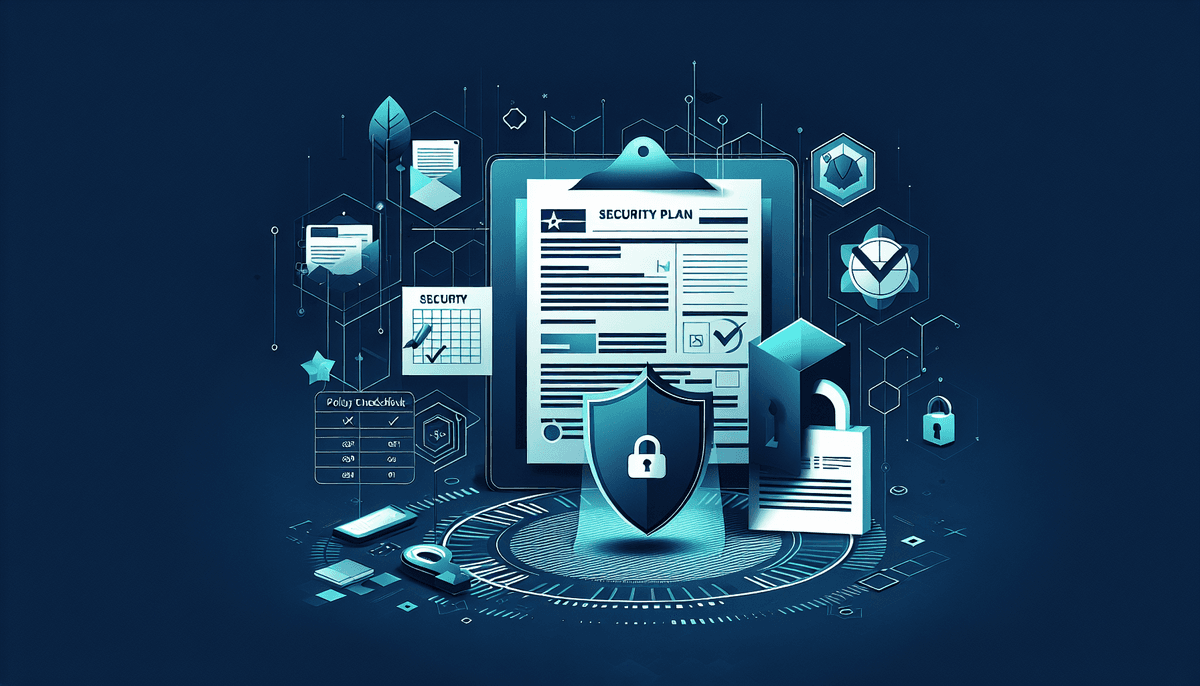
Written information security plan comprehensive documentation showing security protocols, checklists, and compliance requirements for tax professionals

It’s 9:47 PM on a cold February evening when Sarah Chen’s phone rings. The tax preparer has just finished her fourteenth return of the day when she sees the unfamiliar number. “Ms. Chen, this is Special Agent Rodriguez from the IRS Criminal Investigation Division. We need to discuss a data breach reported under your EFIN.” Her heart sinks. Three days earlier, a client called asking why someone filed a return using their Social Security number—through her practice. Now Sarah faces potential penalties, loss of her PTIN, and the devastating realization that she never implemented the mandatory written information security plan required by federal law.

This scenario plays out more frequently than most tax professionals realize. In 2024 alone, the IRS documented over 287,000 incidents of tax-related identity theft, with a significant portion traced back to compromised tax preparation offices lacking proper security documentation. The difference between practices that survive these incidents and those that don’t often comes down to one critical document: a comprehensive, compliant written information security plan.

For tax season 2025, the regulatory landscape has intensified dramatically. The IRS now cross-references PTIN renewals against reported security incidents, the FTC has expanded Safeguards Rule enforcement to include smaller practices previously exempt, and state agencies have begun coordinating breach notifications that can trigger multiple simultaneous investigations. Yet despite these escalating requirements, industry surveys reveal that 68% of solo practitioners and 43% of small tax firms still operate without documented security plans—a gap that represents both enormous risk and immediate liability.

Why Your Written Information Security Plan Is Now Non-Negotiable

The regulatory framework governing tax professional data security has evolved from voluntary best practices to mandatory compliance requirements with serious enforcement mechanisms. The Gramm-Leach-Bliley Act classifies tax preparers as financial institutions, subjecting them to the same stringent data protection standards that govern banks and investment firms. This classification isn’t merely technical—it carries specific legal obligations that the FTC actively enforces through its Safeguards Rule.

The IRS reinforces these requirements through Publication 4557, which explicitly states that tax professionals must implement comprehensive security measures documented in written plans. Beginning with the 2023 tax year, PTIN renewal applications include certification questions about security plan implementation. Falsely certifying compliance constitutes perjury, exposing preparers to criminal penalties beyond civil fines. The IRS has already begun revoking credentials for preparers who certified compliance but couldn’t produce documentation during subsequent audits or breach investigations.

Financial consequences extend far beyond regulatory penalties. The average cost of a data breach for small tax practices now exceeds $247,000 when accounting for notification expenses, credit monitoring services, legal fees, regulatory fines, and lost business. Insurance companies increasingly deny claims from practices lacking documented security plans, viewing the absence of a written information security plan as willful negligence that voids coverage. Several preparers have faced personal bankruptcy after breaches that would have been covered had proper documentation existed.

According to the 2024 IRS Data Book, practices with documented security plans experienced 73% fewer successful breach attempts and recovered 89% faster when incidents did occur, with average containment costs 64% lower than non-compliant firms. These statistics demonstrate that written information security plans aren’t just compliance documents—they’re operational necessities that directly impact practice survival.

⚡ Critical Compliance Deadlines for 2025:

  • ✅ January 31: Annual WISP review and risk assessment completion
  • ✅ February 15: Pre-season employee security training certification
  • ✅ March 1: Vendor security assessment updates required
  • ✅ April 15: Mid-season security audit and incident review
  • ✅ October 1: Annual penetration testing deadline (practices with 5,000+ clients)
  • ✅ December 15: PTIN renewal with security certification

Essential Components of a Compliant Written Information Security Plan

Designating Your Information Security Officer and Leadership Structure

Every written information security plan must begin by designating a qualified Information Security Officer who assumes responsibility for developing, implementing, and maintaining all security measures. This individual coordinates security initiatives across your practice, conducts risk assessments, manages vendor relationships, oversees training programs, and serves as the primary contact during security incidents. The role requires someone with sufficient authority to implement necessary changes and allocate resources for security improvements.

In solo practices, the owner typically serves as Information Security Officer by default, though this doesn’t diminish the need for formal designation in writing. Larger firms may appoint an office manager, IT coordinator, or dedicated security professional depending on practice size and complexity. Regardless of who fills the role, your written information security plan must document their responsibilities, authority levels, reporting relationships, and succession planning for absences or emergencies.

The security officer coordinates with other designated roles your plan should establish, including a Data Security Coordinator who handles day-to-day security operations, a Public Information Officer who manages communications during incidents, and department heads responsible for implementing security measures within their areas. Clear role definitions prevent confusion during incidents when rapid, coordinated response determines whether a minor event remains contained or escalates into a practice-threatening breach.

Conducting and Documenting Comprehensive Risk Assessments

Risk assessment forms the analytical foundation supporting every other component of your written information security plan. This systematic evaluation identifies where sensitive taxpayer information resides, how it moves through your systems, who can access it, and what vulnerabilities could enable unauthorized disclosure. The assessment must cover physical locations, electronic systems, human factors, and third-party relationships that could introduce risks to client data.

Begin by creating a detailed data inventory cataloging all taxpayer information your practice collects, processes, stores, and transmits. Document information types including Social Security numbers, birth dates, financial account details, income information, and correspondence containing sensitive personal data. Map the complete lifecycle of this information from initial client intake through return preparation, filing, storage, and eventual destruction. Each point in this lifecycle represents a potential exposure requiring specific security controls.

Evaluate existing controls against identified risks, determining where gaps exist between current practices and regulatory requirements. Common vulnerabilities discovered during initial assessments include outdated software with known security flaws, weak password policies allowing easily guessed credentials, unencrypted email containing taxpayer information, inadequate physical security for paper files, and insufficient vetting of technology vendors. Prioritize remediation based on risk severity and likelihood, addressing critical vulnerabilities immediately while scheduling lower-priority improvements.

💡 Pro Tip: Risk Assessment Documentation

Create a risk register spreadsheet tracking each identified vulnerability with columns for: risk description, affected systems, likelihood rating, impact rating, current controls, remediation plan, responsible party, target completion date, and status. Update this register quarterly, demonstrating continuous risk management that regulators expect to see in compliant written information security plans.

Implementing Administrative, Technical, and Physical Safeguards

The NIST Cybersecurity Framework organizes security controls into categories that provide comprehensive protection when implemented together. Your written information security plan must address administrative safeguards governing security policies and procedures, technical safeguards protecting electronic systems and data, and physical safeguards securing office spaces and equipment. Documenting all three categories demonstrates the holistic approach regulators require.

Administrative safeguards establish the governance framework for your security program. These include written policies defining acceptable use of technology, password requirements, data classification standards, access control procedures, and incident response protocols. Your plan should document employee security training requirements, background check procedures for new hires, disciplinary measures for policy violations, and processes for granting, modifying, and terminating system access based on job responsibilities and employment status changes.

Technical safeguards protect electronic taxpayer information through technology controls. Essential measures include endpoint protection software on all devices, firewalls controlling network traffic, encryption for data storage and transmission, multi-factor authentication for system access, automatic security updates, secure backup systems, and activity logging that creates audit trails. For practices embracing remote work arrangements, technical safeguards must extend to home offices through VPN requirements, endpoint management solutions, and secure remote access protocols.

Physical safeguards prevent unauthorized individuals from accessing areas containing sensitive information or equipment. Your written information security plan should document controlled office access through locks and keycard systems, visitor management procedures including sign-in logs and escort requirements, secure document storage in locked filing cabinets, placement of printers and copiers in monitored areas, clean desk policies requiring documents be secured when unattended, secure disposal procedures for papers and electronic media, and surveillance systems monitoring critical areas.

Safeguard CategoryRequired ControlsDocumentation Requirements
AdministrativeSecurity officer designation, written policies, employee training, access management, vendor oversightPolicy documents, training records, access logs, vendor agreements, audit reports
TechnicalEndpoint protection, firewalls, encryption, MFA, backups, logging, patch managementSystem inventories, configuration standards, security tool licenses, backup test results
PhysicalAccess controls, visitor management, secure storage, equipment security, disposal proceduresAccess logs, visitor records, key distribution lists, disposal certificates, facility diagrams

Establishing Incident Response and Breach Notification Procedures

No security program can prevent every possible incident, making documented response procedures essential for minimizing damage when breaches occur. Your written information security plan must establish clear protocols for detecting security events, assessing their severity, containing active threats, investigating root causes, remediating vulnerabilities, and recovering normal operations. The plan should designate specific individuals responsible for each response phase with documented escalation procedures ensuring critical incidents receive immediate executive attention.

Early detection significantly reduces breach impact and associated costs. Implement monitoring systems that alert designated personnel to suspicious activities including failed login attempts, unusual data access patterns, large file transfers, malware detections, and system configuration changes. Establish response time requirements based on incident severity—potential breaches involving taxpayer data should trigger immediate investigation regardless of time or day, while lower-severity events might follow standard business hours escalation.

Breach notification requirements carry strict timelines that vary by jurisdiction and affected data types. Federal law requires notifying the IRS within 24 hours of confirming a breach involving taxpayer information. The FTC Safeguards Rule mandates notification within 30 days when incidents affect 500 or more individuals. State laws impose additional requirements, with some jurisdictions requiring consumer notification within 72 hours of discovery. Your written information security plan must include notification templates, contact information for regulatory agencies, procedures for engaging legal counsel and forensic investigators, and communication strategies for maintaining client trust during crises.

⚠️ Critical Breach Notification Timeline

Failure to meet regulatory notification deadlines can result in penalties exceeding the breach costs themselves. The IRS imposes fines up to $100,000 per violation for late reporting, while state attorneys general have assessed penalties reaching $500,000 for notification failures. Document your notification procedures in writing, including decision trees that help determine which requirements apply to specific incident types, ensuring rapid compliance when every hour counts.

Building Your Written Information Security Plan: Step-by-Step Implementation

Phase 1: Assessment and Planning (Weeks 1-2)

Begin your written information security plan development by assembling a planning team representing different practice areas. Include the practice owner or managing partner, office manager, IT support personnel, senior tax preparers, and administrative staff. This diverse representation ensures your plan addresses real operational challenges rather than creating theoretical policies that prove impractical in daily use. Schedule an initial planning meeting to establish project scope, assign responsibilities, and set completion deadlines.

Conduct the comprehensive risk assessment described earlier, documenting current security posture across all areas of your practice. Use structured assessment tools like the IRS Security Awareness questionnaire from Publication 4557 to ensure thorough coverage of required areas. Interview staff members about their daily workflows, identifying where taxpayer information is accessed, processed, stored, and transmitted. Review existing policies and procedures to determine what documentation already exists that can be incorporated into your formal plan.

Research applicable regulatory requirements specific to your practice location and characteristics. Federal requirements apply universally, but state laws vary significantly in their specific mandates. Practices operating in multiple states must comply with requirements from all jurisdictions where they maintain offices or serve clients. Document these requirements in a compliance matrix showing which regulations apply to your practice and where current gaps exist.

Phase 2: Policy Development and Documentation (Weeks 3-4)

Draft comprehensive security policies addressing each required area identified during assessment. Start with fundamental policies that form your security foundation: acceptable use policy governing technology usage, access control policy defining who can access what information, password policy establishing credential requirements, encryption policy specifying when and how to protect data, and physical security policy controlling facility access. Each policy should state its purpose, scope, requirements, responsible parties, and enforcement procedures in clear, accessible language.

Develop detailed procedures that translate high-level policies into specific actions employees can follow. For example, your access control policy establishes that access should follow the principle of least privilege, while corresponding procedures document exactly how employees request access, who approves requests, what forms must be completed, how long approval takes, and when access reviews occur. Include flowcharts and decision trees to illustrate complex procedures, making them easier to understand and follow consistently.

Create required documentation templates that will be used throughout your security program. These include incident report forms, access request forms, visitor logs, training attendance sheets, vendor assessment questionnaires, risk assessment worksheets, and breach notification templates. Standardized forms ensure consistent documentation across your practice while simplifying the administrative burden of maintaining detailed records that auditors and regulators expect to see.

✅ Written Information Security Plan Documentation Checklist

  • ☐ Executive summary stating plan purpose and scope
  • ☐ Security officer designation and responsibilities
  • ☐ Risk assessment methodology and findings
  • ☐ Data inventory and classification scheme
  • ☐ Administrative safeguard policies
  • ☐ Technical safeguard specifications
  • ☐ Physical safeguard procedures
  • ☐ Employee training program curriculum
  • ☐ Vendor management procedures
  • ☐ Incident response plan with notification templates
  • ☐ Testing and audit schedule
  • ☐ Plan review and update procedures

Phase 3: Technology Implementation (Weeks 5-6)

Select and deploy security technologies required to support your documented safeguards. Prioritize fundamental controls that provide broad protection: endpoint detection and response (EDR) solutions replacing outdated antivirus software, next-generation firewalls with intrusion prevention capabilities, automated backup systems with encrypted cloud storage, password management platforms enforcing strong credential policies, and multi-factor authentication for all system access. For comprehensive guidance on modern security tools, review Bellator’s endpoint detection overview covering selection criteria for tax practices.

Configure technologies according to documented standards in your written information security plan. Generic default settings rarely provide adequate protection—security tools require customization matching your specific risk profile and compliance requirements. For example, configure firewalls to block all inbound connections except those explicitly required for business operations, set endpoint protection to perform automatic daily scans with real-time monitoring enabled, schedule encrypted backups to run nightly with weekly restoration tests verifying recoverability, and enable comprehensive logging across all systems to create audit trails.

Document all technology implementations including product selections, configuration settings, licensing information, administrator credentials (stored securely), vendor support contacts, and maintenance schedules. This documentation proves essential during audits, incident investigations, and staff transitions when new personnel need to understand existing security infrastructure. Include network diagrams showing how different security components connect, data flow diagrams illustrating how information moves through protected systems, and system inventories listing all devices and software in your environment.

Phase 4: Training and Rollout (Weeks 7-8)

Develop comprehensive training materials that educate employees about their security responsibilities under your written information security plan. Create role-based training modules addressing specific risks different positions face: tax preparers need detailed instruction on protecting client data during return preparation, administrative staff require training on visitor management and phone-based social engineering defense, and technology personnel need advanced training on system hardening and incident response. Include practical examples and scenarios that illustrate security concepts in contexts employees encounter daily.

Conduct initial security awareness training for all employees before formally implementing your written information security plan. Training should cover security fundamentals everyone needs to understand regardless of technical expertise: recognizing phishing attempts and social engineering tactics, creating and managing strong passwords, handling taxpayer information properly, reporting suspicious activities and potential security incidents, and understanding the regulatory requirements driving security measures. Document training completion with signed attestations confirming each employee received and understood security policies.

Roll out your written information security plan with clear communication emphasizing that security is a shared responsibility. Distribute plan documents to all employees, ensuring easy access when questions arise. Hold department meetings to discuss how new procedures affect daily workflows, addressing concerns and gathering feedback for refinement. Designate security champions within each department who can answer routine questions and reinforce proper practices. Establish regular security awareness communications maintaining focus on security throughout the year rather than treating it as a one-time training event.

Advanced Strategies for Written Information Security Plan Excellence

Integrating Continuous Monitoring and Improvement

Effective written information security plans evolve continuously rather than remaining static documents reviewed only during annual audits. Implement continuous monitoring systems that provide real-time visibility into your security posture, identifying emerging risks before they result in incidents. Security information and event management (SIEM) platforms aggregate logs from all systems, applying analytics that detect patterns indicating potential compromises. User behavior analytics establish baselines for normal activities, alerting when deviations suggest compromised accounts or insider threats.

Establish key performance indicators measuring security program effectiveness. Track metrics including time to detect security incidents, time to contain identified threats, percentage of employees completing security training, results from simulated phishing exercises, vulnerability scan findings and remediation times, and compliance audit scores. Review these metrics quarterly with practice leadership, identifying trends that indicate whether your security posture is strengthening or weakening over time. Document metric reviews in your written information security plan, demonstrating the continuous improvement regulators expect to see.

Create feedback mechanisms that capture lessons learned from security events, near-misses, audit findings, and employee suggestions. Conduct post-incident reviews after every security event regardless of severity, documenting what happened, how it was detected, what worked well in the response, and what could be improved. Incorporate these lessons into plan updates, training curricula, and procedure refinements. This systematic learning process transforms incidents from pure liabilities into opportunities for strengthening your security program.

Leveraging Managed Security Services for Compliance

Many tax practices lack the internal expertise or resources to implement and maintain comprehensive security programs independently. Managed security service providers (MSSPs) offer cost-effective solutions combining technology deployment, 24/7 monitoring, incident response, and ongoing compliance management. These services prove especially valuable for smaller practices where hiring dedicated security personnel isn’t economically feasible, yet regulatory requirements demand expertise that generalist IT support typically can’t provide.

Bellator Cyber’s All-in-One Compliance Package specifically addresses tax professional needs with pre-configured security controls, written information security plan templates customized for tax practices, automated compliance monitoring, and expert support navigating regulatory requirements. These comprehensive solutions ensure consistent protection while simplifying the administrative burden of maintaining detailed documentation. When evaluating MSSPs, verify their experience with tax practices, understanding of IRS and FTC requirements, ability to provide compliance attestations, and track record responding to incidents affecting similar clients.

Managed services don’t eliminate your responsibility for security—the IRS and FTC hold practices accountable regardless of whether security is managed internally or outsourced. Your written information security plan must document vendor relationships including services provided, security controls they implement, monitoring and reporting procedures, incident notification requirements, and oversight activities you perform ensuring vendors maintain appropriate protections. Regular vendor assessments verify that providers continue meeting your security requirements as their services and your needs evolve.

Practices utilizing managed security services report 84% reduction in time spent on security administration, 67% faster incident response times, and 91% confidence in regulatory compliance compared to those managing security internally without dedicated expertise. – 2024 Tax Practice Technology Survey

Preparing for Regulatory Examinations and Audits

The IRS, FTC, and state agencies increasingly conduct security compliance examinations as enforcement priorities. These reviews verify that practices maintain the written information security plans they certified implementing during PTIN renewal. Examiners request comprehensive documentation including the complete written plan, risk assessment records, security policies and procedures, employee training records, incident reports, vendor agreements, testing results, and evidence that documented controls actually function as described.

Maintain an audit-ready documentation repository containing all required records organized for efficient retrieval. Use a document management system with version control, ensuring you can produce historical records showing program evolution over time. Create an examination response plan designating who will coordinate with auditors, what information will be provided, and how you’ll track outstanding requests ensuring timely responses. Practice mock audits where you attempt to locate all documents an examiner might request, identifying and addressing gaps before real examinations occur.

When examinations reveal deficiencies, respond with detailed remediation plans showing specific corrective actions, responsible parties, completion deadlines, and validation procedures. Examiners view responsive, documented remediation more favorably than defensive explanations minimizing identified issues. Update your written information security plan to address findings, demonstrating commitment to continuous improvement that agencies expect from compliant practices. Follow up with examiners after completing remediation, providing evidence that deficiencies have been corrected.

Frequently Asked Questions About Written Information Security Plans

Do I need a written information security plan if I’m a solo practitioner with no employees?

Yes, absolutely. Federal law requires all tax professionals handling taxpayer information to maintain written information security plans regardless of practice size. The Gramm-Leach-Bliley Act and IRS Publication 4557 contain no exemptions for solo practitioners. While your plan may be simpler than what larger firms require, it must still address all mandatory components including risk assessment, security safeguards, incident response procedures, and vendor management. Solo practitioners face the same data breach risks and regulatory penalties as larger practices, making documented security measures equally essential.

How often must I update my written information security plan?

Regulations require annual reviews at minimum, but effective plans undergo updates whenever significant changes occur. Annual reviews should assess whether existing controls remain adequate against current threats, incorporate lessons learned from security incidents and near-misses, reflect changes in practice operations or technology infrastructure, and address new regulatory requirements. Beyond scheduled reviews, update your plan immediately when you experience security incidents, adopt new technologies or service providers, open new office locations, significantly expand or reduce staff, or discover vulnerabilities through testing. Document all updates with version numbers and change logs that demonstrate continuous program maintenance.

What happens if the IRS discovers I don’t have a written information security plan?

Consequences can be severe and multi-faceted. The IRS may suspend or revoke your PTIN and EFIN, effectively ending your ability to prepare returns professionally. You face potential fines up to $100,000 per violation under the Gramm-Leach-Bliley Act, with the FTC authorized to assess penalties up to $46,517 per violation per day under Safeguards Rule enforcement. If you certified having a plan during PTIN renewal but actually don’t, you’ve committed perjury on a federal form—a criminal offense. Beyond regulatory penalties, the absence of a written information security plan typically voids professional liability insurance coverage, leaving you personally responsible for all breach-related costs including notification, credit monitoring, legal defense, and regulatory fines.

Can I use a template for my written information security plan, or must it be completely custom?

Templates provide excellent starting points, but they require customization reflecting your specific practice circumstances. The IRS offers Publication 5708 as a basic template, though it provides only a framework requiring substantial detail additions. Commercial templates like Bellator’s specialized tax preparer WISP offer more comprehensive starting points with detailed policies and procedures, but you must still customize sections addressing your specific technology, office configuration, employee count, service areas, and vendor relationships. Regulators expect plans that clearly apply to your actual practice—generic templates obviously copied without customization suggest compliance theater rather than genuine security commitment.

What’s the difference between the IRS requirements and FTC Safeguards Rule requirements?

Both regulations require written information security plans, but they originate from different authorities with somewhat different focuses. IRS requirements stem from Publication 4557 emphasizing protection of taxpayer data specifically, with enforcement through PTIN and EFIN credential management. The FTC Safeguards Rule derives from the Gramm-Leach-Bliley Act and applies to financial institutions (including tax preparers), emphasizing comprehensive customer information protection. The FTC rule includes specific technical requirements for practices serving 5,000+ clients, including annual penetration testing and bi-annual vulnerability assessments. Fortunately, these requirements largely overlap—a comprehensive plan addressing FTC requirements typically satisfies IRS mandates as well. Your written information security plan should reference both regulatory frameworks, demonstrating compliance with all applicable requirements.

How do I handle written information security plan requirements for remote employees?

Your written information security plan must explicitly address remote work with specific policies governing home office security. Required elements include technical controls ensuring remote devices meet the same security standards as office equipment (endpoint protection, encryption, automatic updates, multi-factor authentication), network security requiring VPN connections for accessing practice systems, physical security mandating locked storage for client documents and private workspaces preventing unauthorized screen viewing, and secure communications prohibiting discussion of client information in public spaces or over unsecured connections. Consider implementing endpoint management solutions that enforce security policies on remote devices, verify compliance before allowing network access, and enable remote wipe capabilities if devices are lost or stolen. Document remote work security requirements in employee agreements, conduct specific remote work security training, and perform periodic compliance verification through virtual home office audits.

Essential Resources for Written Information Security Plan Development

Developing and maintaining a compliant written information security plan requires ongoing access to authoritative guidance, templates, training resources, and expert support. The following resources provide the foundation for building and sustaining effective security programs:

📚 Authoritative Regulatory Guidance

For practices seeking professional assistance with written information security plan development and ongoing compliance management, Bellator Cyber offers specialized services addressing tax professional needs. Our solutions combine expert consultation, customized documentation, security technology implementation, employee training, and continuous monitoring ensuring sustained compliance as requirements evolve.

Protect Your Practice with a Compliant WISP

Don’t risk your PTIN, your practice, and your clients’ trust. Get expert assistance creating a comprehensive written information security plan that satisfies all IRS and FTC requirements.

Get Your Professional WISP Today →

Taking Immediate Action: Your Written Information Security Plan Implementation Roadmap

The regulatory landscape surrounding tax professional data security continues intensifying with each passing year. Practices without documented security plans face mounting risks from sophisticated cyber criminals, aggressive regulatory enforcement, and clients increasingly concerned about data protection. The question isn’t whether you need a written information security plan—federal law already requires one. The question is whether you’ll implement proper protections proactively or reactively after an incident forces compliance at far greater cost.

Start today by conducting an honest assessment of your current security posture. Review the components discussed throughout this guide, identifying where documentation gaps exist in your practice. Prioritize immediate actions that address critical vulnerabilities while beginning the systematic planning process for comprehensive plan development. Remember that perfection isn’t the goal—regulatory compliance and continuous improvement are.

For practices lacking internal security expertise, professional assistance accelerates compliance while ensuring your plan meets all regulatory requirements. Contact Bellator Cyber’s security experts who specialize in tax practice protection for a confidential consultation about your specific needs and circumstances. Our team has helped hundreds of tax professionals implement compliant security programs, and we understand the unique challenges practices face balancing security requirements with operational demands.

Your written information security plan represents more than regulatory compliance—it’s a professional commitment to protecting the clients who trust you with their most sensitive financial information. In an era of escalating cyber threats and increasing regulatory scrutiny, documented security measures distinguish professional practices from those operating recklessly. Protect your practice, preserve your reputation, and demonstrate the professional standards your clients deserve by implementing a comprehensive written information security plan today.

FREE WISP TEMPLATE

Free WISP Template (Blog)

Share This

Ready to Transform Your Cybersecurity?

Opt for Bellator and invest in top-tier protection and peace of mind. Our solutions deliver unmatched safety through innovative design, tailored specifically for your needs.

Related Articles

Cybersecurity for tax professionals 2025 - IRS Security Six requirements, FTC Safeguards Rule compliance, and WISP implementation guide

IRS Compliance Essentials, Tax & Accounting Professionals

19 Feb 2025

Cybersecurity for Tax Professionals 2025: Complete IRS Compliance Guide

Tax professionals face unprecedented cyber threats in 2025. This comprehensive guide covers IRS Security Six requirements, FTC Safeguards Rule compliance, WISP implementation, and practical security measures to protect client data and avoid penalties up to $100,000.
IRS Pub 4557 ultimate guide for tax professionals

Tax & Accounting Professionals, IRS Compliance Essentials

5 Apr 2025

IRS Publication 4557: What Every Tax Professional Must Know in 2026

IRS Publication 4557: Complete guide for 2026. Master requirements, implement Security Six & avoid penalties with this essential tax professional resource.
Cybersecurity compliance tax pros 2025 - Complete IRS requirements guide

IRS Compliance Essentials, Tax & Accounting Professionals

31 Jan 2025

Cybersecurity Compliance Tax Pros 2025: Complete IRS Requirements Guide

2025 IRS cybersecurity compliance guide for tax pros. Master Pub 4557, FTC Safeguards Rule & Security Six with step-by-step implementation strategies.
0
    Your Cart
    Your cart is emptyReturn to Shop