
Cyber Operations Are Becoming a Recognized Front in Modern Conflict
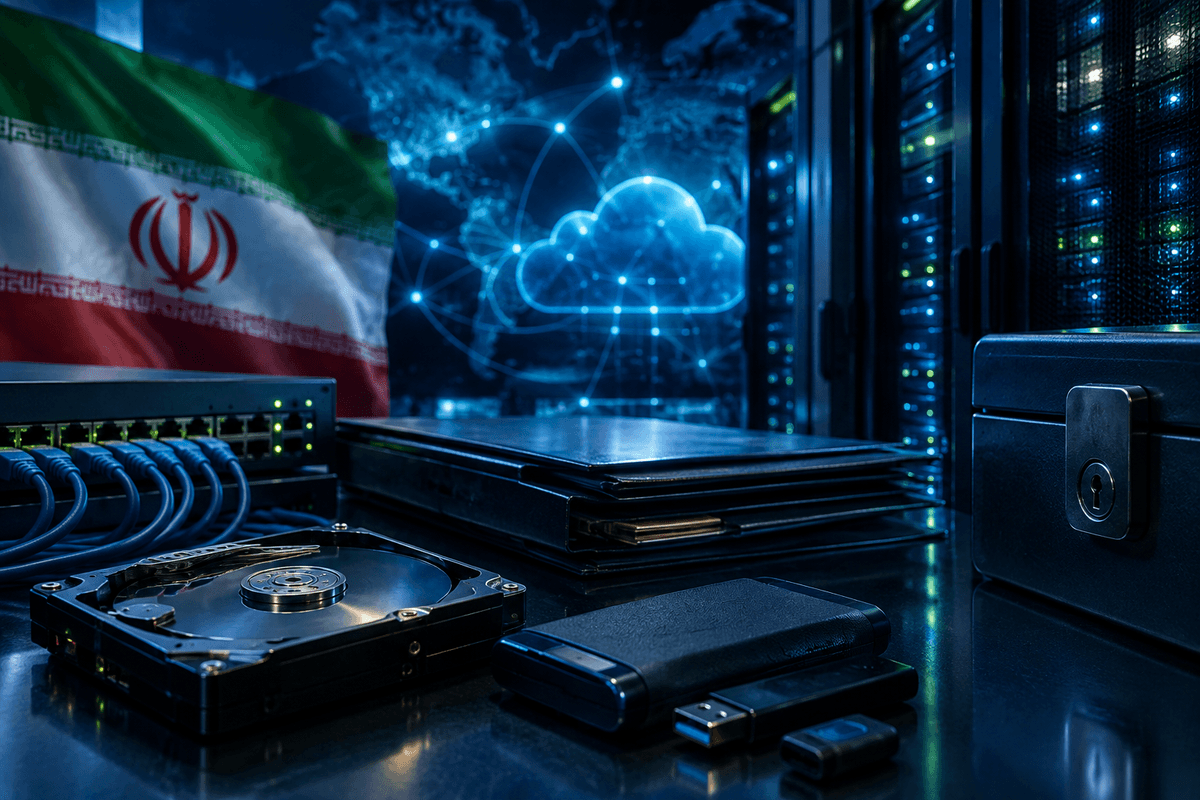
Cyber operations are increasingly functioning as an independent domain of modern warfare rather than a mere support tool for traditional military action. That is the core thesis of an August 5, 2026 analysis published by SecurityWeek featuring commentary from Dmitri Alperovitch, co-founder of the cybersecurity company CrowdStrike, a firm best known for identifying and tracking nation-state hacking campaigns. According to the piece, cyber operations now support kinetic military action, act as early warning signals for coming conflicts, and are reshaping how states plan for confrontation, earning cyberspace a place alongside land, sea, and air as what the article calls a fourth battlefield.
This framing lines up with a broader shift researchers have documented over the past several years: offensive cyber capability is no longer concentrated among the so-called "Big Four" states most frequently associated with advanced cyber operations. Regional conflicts around the world are producing new state-linked and state-tolerated cyber actors, expanding the roster of groups capable of disruptive digital operations beyond the handful of nations historically assumed to dominate this space. Academic frameworks for categorizing offensive cyber operations, including work analyzing where, when, and how cyber effects are used across different phases of armed conflict, have emerged specifically because these operations are now common enough to require systematic study rather than case-by-case analysis.
Why Civilian Networks Are Increasingly Caught in the Middle
A recurring concern among legal and humanitarian researchers studying cyber operations in armed conflict is that these tools rarely stay confined to military targets. Cyber operations used as a means or method of warfare create real risk of harm to civilians, particularly when attacks target shared infrastructure such as power grids, telecommunications networks, healthcare systems, and financial platforms that serve both military and civilian functions simultaneously. Unlike a missile strike with a defined blast radius, malware and network intrusions can propagate across borders, supply chains, and unrelated third-party systems well beyond their original target.
U.S. Cyber Command and allied military cyber organizations have themselves acknowledged that this new battlefield allows attacks to disrupt nations without a single missile fired or a single soldier deployed. That efficiency is precisely what makes cyber operations attractive to state and state-linked actors, and precisely why organizations with no direct connection to any conflict can still find themselves affected as collateral exposure, testing grounds, or opportunistic targets when state-linked tooling and infrastructure get reused by criminal groups after a conflict phase ends.
Key Takeaway
Nation-state cyber activity is no longer confined to a small set of major powers or contained to obvious military targets. Healthcare practices, tax and accounting firms, and small businesses that rely on shared cloud infrastructure, managed service providers, or widely used software can be affected by state-linked operations even when they have no connection to the underlying conflict.
What This Means For Your Business
Most small and mid-sized organizations will never be the intended target of a nation-state cyber operation, but they can still absorb the fallout. Ransomware crews, criminal affiliates, and opportunistic actors regularly repurpose tools, exploits, and infrastructure that first appeared in state-linked campaigns, and widely used software vulnerabilities exploited during geopolitical conflicts often get weaponized against unrelated targets soon after. Healthcare practices and tax professionals are particularly attractive downstream targets because they hold sensitive personal and financial data subject to regulatory obligations such as HIPAA or IRS data security requirements, and any resulting breach carries both operational and compliance consequences.
Practical steps worth prioritizing now include: maintaining current, tested backups isolated from your primary network so a disruptive attack cannot also destroy your recovery path; enforcing multi-factor authentication on all remote access, email, and administrative accounts; keeping internet-facing systems and VPN appliances patched promptly, since these are common entry points reused across both state-linked and criminal intrusions; and reviewing vendor and managed service provider security postures, since third-party compromise remains one of the most common ways unrelated organizations get pulled into larger incidents. Security-conscious consumers should apply the same baseline hygiene, unique passwords, MFA, and skepticism toward unexpected login prompts or software updates, since consumer devices can also be swept into larger botnets or used as staging points.
The broader lesson from this shift is one of posture, not panic. Treat elevated geopolitical tension as a signal to verify, not assume, that your basic controls (patching, backups, MFA, and incident response contacts) are actually in place and tested, since these fundamentals are what determine whether spillover from a distant conflict becomes a minor disruption or a major incident for your organization.
Learn first. Decide when you are ready.
Keep learning, or apply this to your situation
Continue with a related guide, compare your options, or ask a specialist to help turn the advice into a practical next step.
People also look for
Keep exploring Security basics
Start with the fundamentals, understand the most likely risks, and choose the next improvement without getting lost in jargon.
- Common question: cybersecurity basicsBuild better cyber hygieneCover the everyday habits and controls that prevent a large share of common incidents.
- Common question: why do hackers target small businessesUnderstand why smaller organizations get targetedSee how opportunity, automation, access, and recovery pressure shape attacker decisions.
- Common question: small business cyber risk assessmentStart with a cyber risk assessmentIdentify important assets, likely threats, current safeguards, and the most useful next steps.
- Common question: cybersecurity solutions for small businessCompare business security optionsFind the right starting point by audience, threat, or compliance need.
- Common question: how hackers choose targetsLearn how attackers choose targetsUnderstand what makes an organization or person visible and attractive to automated attacks.