

multi-factor authentication
Articles tagged with “multi-factor authentication”
Hard Drive Encryption: Protect Data If a Device Is Lost
Learn how hard drive encryption protects data on a lost device, how to turn it on safely, and what it cannot do. Review your setup.

IRS E-File Account Security Requirements for Tax Pros
Learn IRS e-file account security requirements for tax professionals, including access, MFA, WISPs, and incident response. Review your controls.
AI Voice Cloning Scam Protection: 6 Family Steps
Learn AI voice cloning scam protection steps that help families verify urgent calls, protect accounts, and respond safely. Build your plan.
How to Use the Internet Safely: 10 Everyday Habits
Learn how to use the internet safely with practical habits for passwords, phishing, Wi-Fi, updates, and identity protection. Start today.
Best Password Manager for Compliance Auditing (2026)
The best password manager for compliance auditing provides admin logs, SSO, and SCIM. Compare 2026 options and see what auditors check.
Password Manager vs Browser Autofill: Which Is Safer?
Password managers vs browser autofill: see which protects logins better, the real risks of saved browser passwords, and how to switch safely in 2026.
Personal Cyber Insurance for Individuals in 2026
Personal cyber insurance covers identity theft, online fraud, and extortion losses. See what it costs, what's excluded, and whether you need it in 2026.
SIM Swap Attack Protection Guide: Stop Phone Hijacking
Learn how to stop a SIM swap attack: carrier PIN setup, dropping SMS 2FA, warning signs, and recovery steps that protect your accounts today.

IRS Tax Pro Account MFA Setup: A 2026 Step-by-Step Guide
Learn how to set up multi-factor authentication on your IRS Tax Pro Account in 2026, from ID.me verification to backup codes, in this step-by-step guide.
Medical Practice Cyber Insurance Requirements Explained
See the cybersecurity insurance requirements for medical practices in 2026, including MFA, EDR, and backups, plus how to avoid a denied claim.
How to Protect Elderly Parents From Scams and ID Theft
Protect elderly parents from scams with MFA, credit freezes, a family code word, and monthly statement checks. A practical, step-by-step guide.

Vendors Offering EDR and Identity Protection Bundles
Compare EDR and identity protection pricing bundles by coverage, response, and support scope. Use this buyer checklist to evaluate options.
Cybersecurity Training for Seasonal Tax Preparers in 2026
Learn what cybersecurity training seasonal tax preparers need before system access, including phishing, MFA, taxpayer data handling, WISP rules, and reporting.
Identity Theft Protection for Families After a Stolen Phone
A practical family identity theft protection plan after a stolen phone: lock the device, secure email and carrier access, review accounts, and consider a credit freeze.
What Is an Insider Threat? Definition and Prevention Guide
An insider threat is a security risk from someone with authorized access. Learn the 3 types, warning signs, and how to prevent one.
Business Email Compromise Prevention for Tax Firms
Learn how tax firms prevent business email compromise with SPF, DKIM, DMARC, MFA, and phone-verification rules you can put in place this week.
What Is a Zero-Day Vulnerability? Full Explanation
What is a zero-day vulnerability? Explained in plain English: how these unpatched flaws get exploited and why layered defenses, not patching alone, reduce the risk.
8 Signs Your Phone Has Been Hacked (and What to Do)
Signs your phone has been hacked include fast battery drain, data spikes, unfamiliar apps, and MFA codes you didn't request. See all 8 warning signs and next steps.

IRS Security Six Checklist for Tax Professionals (2026)
The IRS Security Six requirements cover antivirus, firewalls, MFA, backups, encryption, and VPNs. See what tax professionals need in place for 2026.
Defense in Depth Cybersecurity Strategy Explained for 2026
Learn how a defense in depth cybersecurity strategy layers controls to reduce business risk. Assess your security gaps today.
Email Account Security Checklist for Personal Use
Secure your personal email with this step-by-step checklist: strong passwords, MFA, recovery settings, connected app audits, and phishing defense. Start today.

Personal Cybersecurity Checklist for Families 2026
A personal cybersecurity checklist for families covering passwords, devices, home network, kids' safety, and identity monitoring. Actionable steps for 2026.
Privileged Access Management for Small Business
Learn practical privileged access management for small business, including MFA, Windows LAPS, credential vaulting, access reviews, and compliance considerations.

Cybersecurity Checklist for Enrolled Agents 2026
A 2026 cybersecurity checklist for enrolled agents covering IRS Publication 4557, FTC Safeguards Rule, and WISP requirements.
HIPAA Technical Safeguards Checklist: Medical Practices
A HIPAA technical safeguards checklist for small medical practices covering every required and addressable §164.312 specification under the Security Rule.
Tax Season Cybersecurity Preparation for CPA Firms
IRS Publication 4557 and FTC Safeguards Rule requirements CPA firms need before the 2027 filing season, plus MFA, EDR, and WISP deadlines.
Cyberstalking Signs and How to Protect Yourself Online
Learn the signs of cyberstalking, how perpetrators track victims, and the exact steps to secure your accounts and report it to authorities.

Dark Web Monitoring for Small Businesses Explained
Yes, small businesses can get dark web monitoring. See how it works, what data gets exposed, and the steps to take when you receive an alert.
Patient Portal Security Requirements Under HIPAA
What HIPAA requires for patient portal security: encryption, MFA, access controls, audit logs, and BAAs explained. Get a free compliance assessment.
Multi-Factor Authentication for Small Business: Complete Guide
How multi-factor authentication protects small businesses from credential theft. Real costs, a staged setup process, and the strongest MFA methods for 2026.
NIST Phishing Resistant MFA Security Keys: Official Guide
NIST names FIDO2 security keys the standard for phishing-resistant MFA. See what qualifies under AAL3, how it compares to SMS and apps, and how to start.

BEC RDP Attacks: How Tax Practices Fall Victim to Remote Access Exploits
A BEC RDP attack combines phishing with exposed RDP access to breach tax practice networks. See the warning signs and the controls that stop it.
Best Secure Messaging Apps for Personal Privacy in 2026
Compare Signal, Wire, Element, and Telegram for personal and work-related messaging privacy in 2026, and see which apps actually limit metadata collection.
Cyber Insurance Requirements for Small Businesses: 2026 Guide
The controls carriers require in 2026, MFA, EDR, tested backups, and email authentication, plus industry rules, premium drivers, and how to qualify.
NIST Password Reuse & Credential Stuffing Guidance 2026
NIST SP 800-63B Revision 4 password guidance for 2026: length requirements, compromised-password blocklists, password managers, MFA, and credential-stuffing defenses.
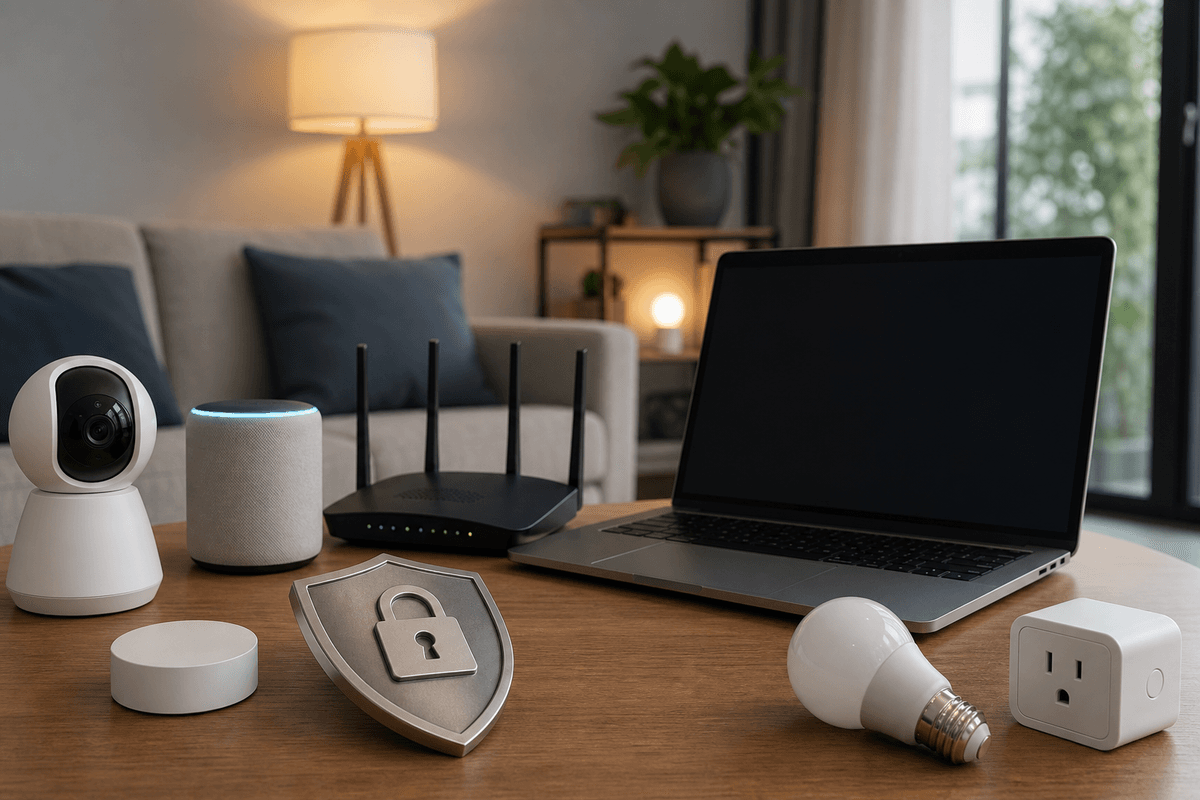
How to Secure Smart Home Devices: A Practical Guide
Learn how to secure smart home devices with network segmentation, default password changes, MFA, firmware updates, and router hardening. Practical steps for 2026.
CISA Password Manager Guidance: Use Unique Passwords
CISA recommends password managers and unique passwords for every account. See the full guidance and learn how to implement it in your business today.
FTC Safeguards Rule: Tax Preparers & Financial Institutions
The FTC Safeguards Rule treats tax preparers as financial institutions under GLBA. See the 9 required controls, 2026 compliance steps, and penalties.
Ransomware Protection for Home Computers (2026)
Free ransomware protection starts with updates, MFA, a standard user account, Windows protections, and a tested offline 3-2-1 backup. Learn what to set up and what to do after an attack.
NIST Password Manager Recommendations: Official Guidance
NIST SP 800-63B-4 (2025) guidance on password managers: 64-character length, no forced rotation, breach screening, MFA, and FIDO2. What it means for your firm.
IRS Form 4557 Requirements: Safeguarding Taxpayer Data
Form 4557 requires a written WISP, MFA, and encryption for every paid tax preparer. See the requirements and what happens if you skip them.

How to Protect Yourself on Public Wi-Fi: 9 Key Steps
Learn how to protect yourself on public Wi-Fi with 9 essential steps. Stop MITM attacks, evil twins, and credential theft. VPN checklist included.
Social Media Privacy Settings Guide: Lock Down Your Accounts
Lock down Facebook, Instagram, LinkedIn, TikTok, and X with this social media privacy settings guide. Platform-by-platform steps to protect your data in under an hour.
How to Set Up Two-Factor Authentication on Any Account
Learn how to set up two-factor authentication on any account. Compare SMS, authenticator apps, and FIDO2 keys. Step-by-step setup instructions for 2026.
How to Secure Your Smartphone from Hackers (2026)
Secure your smartphone from hackers with proven steps: lock screen hardening, SIM lock, app permissions, VPN use, and 2FA upgrades. Full iOS and Android guide.
Identity Theft Protection Services Compared: 2026 Guide
Compare identity fraud protection services by bureau coverage, insurance limits, and recovery support, plus what Aura, LifeLock, and IDShield actually cover in 2026.
How to Secure Your Home WiFi Network in 2026
Secure your home WiFi network with 8 essential steps: change defaults, enable WPA3, update firmware, and isolate IoT devices. Practical guide for 2026.
Is Tax Preparation Software Secure for Personal Information in 2026?
Is tax prep software secure for personal information? See what IRS Publication 4557 and the FTC Safeguards Rule require, plus a 2026 filer checklist.

What Is Zero Trust Security? A Practitioner's Guide
What is zero trust security? Learn the NIST SP 800-207 principles, five CISA pillars, and how to implement zero trust for HIPAA, PCI DSS, and FTC compliance.
Best Password Managers: Why You Need One
Compare password managers for regulatory compliance with real decision criteria, honest pricing, and HIPAA, IRS, and FTC Safeguards Rule guidance for 2026.

How to Spot Phishing Emails: 12 Red Flags
Learn how to spot phishing emails with 12 practical red flags, a verification checklist, and steps to take if you clicked a suspicious link.

How to Protect Your Digital Identity Online
Learn how to protect your digital identity with credit freezes, password managers, and MFA. Practical steps to prevent identity theft in 2026.

Remote Work Security for Small Business: Practical Guide
Protect your remote team with VPN, MFA, EDR, and device management. Practical remote work security for small businesses without enterprise-level costs.

Security Training for Small Business Employees
Compare in-person, live online, self-paced, and hybrid cybersecurity training for business options by cost, engagement, and compliance fit for 2026.
Small Business Cybersecurity on a Budget
Build effective small business cybersecurity on a budget. Free tools, priority investments, and ROI-driven strategies to protect your business in 2026.

MFA for Tax Software: Why It's Required and How to Set It Up
MFA for tax software is required under IRS Publication 4557 and FTC Safeguards Rule. Setup guide for Drake, ProSeries, Lacerte, and UltraTax CS.

Best Secure Client Portals for Tax Practices
How secure are tax client portals for sensitive data? Review encryption, MFA, audit logs, WISP documentation, and rollout steps. Protect clients.
Why Hackers Target Tax Preparers and How to Fight Back
Tax professionals are frequent spear-phishing targets because they hold high-value taxpayer data. Learn the practical controls tax firms should use to reduce risk.
HIPAA Cybersecurity Requirements: 2026 Security Rule Guide
The HIPAA Security Rule requires administrative, physical, and technical safeguards for ePHI. See the 2026 requirements and OCR penalty exposure.
WISP for Small Tax Firms: Simplified Compliance Guide
Every tax preparer with a PTIN needs a WISP. See what the FTC Safeguards Rule and IRS Publication 4557 require for 2026, including mandatory MFA.
Security Awareness Training for Tax Firms
Build documented security awareness training for a tax firm, with phishing, MFA, taxpayer-data handling, incident reporting, and IRS and FTC guidance.
Best Password Manager for Personal Use in 2026
Compare the best password managers for personal use in 2026 by encryption, passkeys, device support, recovery, and price, then set one up safely.
IRS Publication 4557: What Every Tax Professional Must Know in 2026
IRS Publication 4557 requires the Security Six controls and a WISP for every paid tax preparer. Here's what it means for your practice and how to comply.
FTC Safeguards Rule for Tax Preparers: 2026 Compliance Guide
The FTC Safeguards Rule applies to tax preparers and allows fines up to $50,120 per violation. See the 9 required safeguards and 2026 compliance steps.
Two-Factor Authentication for Tax Software: Setup Guide
Compare 2FA enforcement across Drake, Lacerte, CCH Axcess, and Thomson Reuters, plus the vendor checklist IRS Publication 4557 requires in 2026.

Why Small Businesses Get Hacked (and How to Stop It)
43% of cyberattacks target small businesses, per Verizon's 2025 DBIR. See the top attack vectors, real breach costs, and the 5 controls that cut risk most.
Cybersecurity for Tax Professionals 2025: Complete IRS Compliance Guide
Cybersecurity for tax professionals in 2026: IRS Publication 4557, the FTC Safeguards Rule, WISP requirements, and the Security Six controls explained.

VPN for Tax Professionals: Secure Remote Access Guide
Set up a compliant VPN for your tax practice: IRS Security Six requirements, AES-256 encryption, MFA enforcement, and audit-ready log retention explained.
Best Cloud Services for Tax Professionals
Learn how to evaluate cloud hosting for tax professionals, including MFA, vendor evidence, backups, tax application hosting, and WISP documentation.

EFIN Security Requirements: Protect Your Filing ID
EFIN security requirements for tax preparers: MFA, encrypted storage, weekly monitoring. Protect your filing ID from theft and IRS revocation in 2026.
IRS WISP Example: Build Your Tax Firm's Security Plan
See a real IRS WISP example with sample policy language for all nine required sections, plus the 2026 compliance deadline every tax preparer must meet.
Password Security Best Practices: Beyond Complex Passwords
Compare passwords, password managers, MFA methods, and passkeys using current NIST SP 800-63B-4 guidance. Length beats complexity. See what to enable first.
CPA WISP Requirements for 2026: What the IRS Actually Checks
WISP requirements for CPAs and tax preparers in 2026: the nine FTC Safeguards Rule elements, the IRS Publication 5708 updates, and what reviewers check.

Enterprise-Level Security for Small Business on Any Budget
See what enterprise-grade cybersecurity costs a small business in 2026, EDR, MDR, MFA, and backups, and how to prioritize spending.
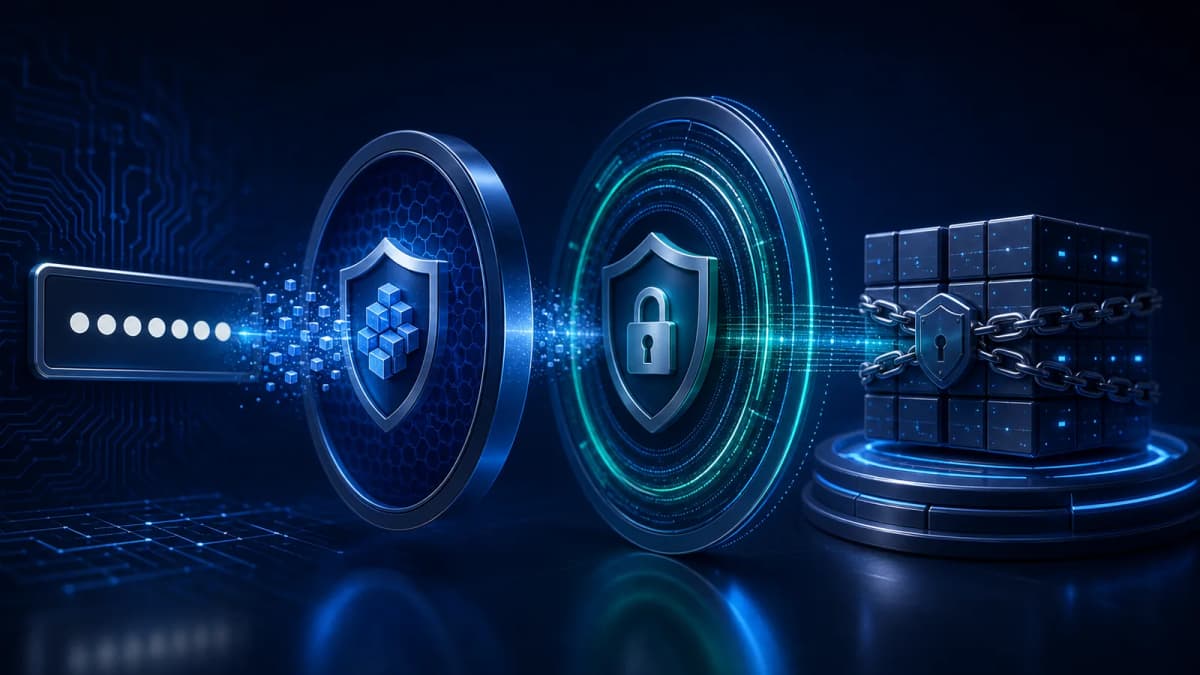
Password Hashing Algorithms: bcrypt, Argon2, scrypt Compared
Compare Argon2id, bcrypt, scrypt, and PBKDF2 for secure password storage. See practical selection and implementation guidance for 2026.

How to Create Strong Passwords You Can Actually Remember
Learn how to create strong passwords with NIST 2026 guidelines. Diceware, password managers, and MFA best practices for personal security protection.
CompTIA A+ Certification: Complete Study Guide
A complete CompTIA A+ certification guide covering Core 1 and Core 2 exam costs, domains, study resources, and 2026 salary ranges.
Find out if your email is already in a data breach
Run a free scan and see which old breaches exposed your email and passwords, then get a clear plan to lock things down.