What's Happening
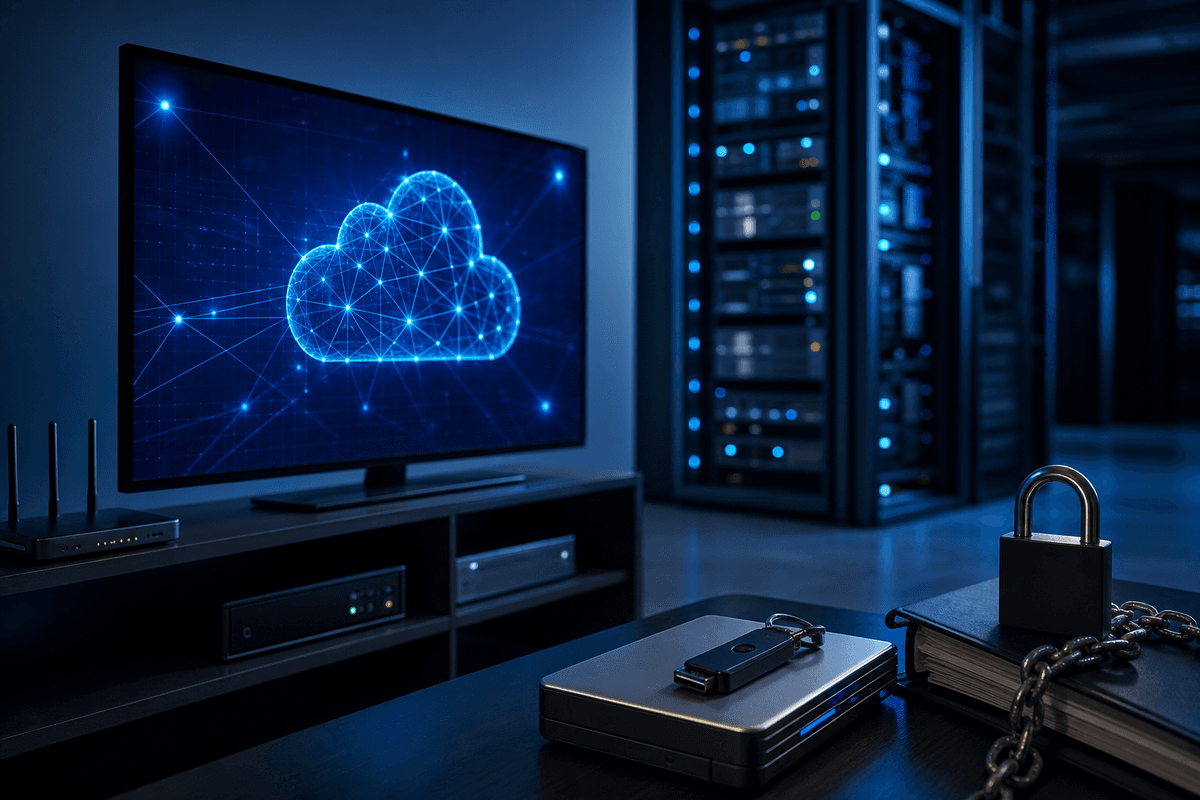
Security researchers have documented how Bright Data's SDK can enroll consumer devices, including some smart TV platforms and mobile apps, as residential proxy exit nodes for web data collection. Bright Data says the program is opt-in and limited to public web data; researchers argue the consent flow and technical behavior deserve closer scrutiny.
When users choose free apps that include the SDK, the app may offer premium features or an ad-free experience in exchange for allowing Bright Data to use the device's internet connection. The business issue is not that personal files are necessarily exposed; it is that a device on a home or office network may route third-party web requests in a way users and security teams do not fully expect.
Bright Data markets a large residential proxy network for web data collection and AI/data customers. Its public FAQ says users must opt in and can opt out, while independent researchers have raised questions about whether the disclosed consent and platform behavior are clear enough for ordinary users and business network owners.
Bright Data's Position
Bright Data says Bright SDK is an opt-in monetization alternative for free apps, uses only public web data, does not collect personal data such as cookies, device IDs, or browsing history, limits usage, and uses allowlisted destinations. Its Trust Center also points to third-party reports and certifications. Those claims are material context; they do not remove the need for business network controls, but they change the risk from a simple “secret abuse” story into a consent, transparency, and network-governance question.
Immediate Risk
A smart TV or mobile app that includes a residential proxy SDK may route web-data traffic through your network after opt-in, consuming bandwidth and complicating network monitoring if the device is used on a business or mixed-use network.
Why This Matters for Your Business
For healthcare practices, this development can complicate risk assessment and network documentation. HIPAA-covered entities need visibility into systems and traffic that touch practice networks. If smart TVs or staff mobile devices are enrolled in proxy networks, the practical concern is not an automatic HIPAA violation; it is an unreviewed data-flow and monitoring gap that should be assessed like any other third-party network behavior.
Tax professionals face similar concerns under IRS Publication 4557-style data protection practices. Client information confidentiality requires firms to understand and control devices connected to networks that support tax preparation work. A device acting as a residential proxy could conflict with internal control expectations if it sits on the same network as client systems and was not reviewed by IT.
Small business leaders should treat this as a network visibility issue. If devices on a company network participate in proxy services without IT review, leaders lose confidence in what traffic is leaving their infrastructure and may have a harder time assessing bandwidth costs, vendor risk, and incident response evidence.
Technical Implications
The embedded SDK technology operates inside consumer apps rather than through a traditional proxy configuration that a user or IT team manually installs. Depending on platform and app state, the SDK may run when users are not directly interacting with the app or device. Bright Data says its iOS SDK does not relay traffic in the background when the app is not visible; researchers still reported iOS VPN/interface behavior and smart-TV background behavior that warrant network-level monitoring.
From a network security perspective, this creates several risks. Proxy traffic can make third-party web requests appear to originate from residential IP addresses instead of commercial data centers. The activity can introduce additional network load and bandwidth usage that may need review for users with limited connections. It also creates outbound traffic patterns that security teams may need to distinguish from normal device activity.
The AI and data industry has created a large market for residential IP access because it can help data collection systems reach public websites that block or throttle data-center traffic. That business incentive means organizations should assume similar SDK-based monetization models will keep appearing in consumer apps unless platform rules, user awareness, or regulatory scrutiny change the economics.
Immediate Actions to Take
Audit Your Apps: Review all mobile applications on business devices and personal devices used for work. Look for apps offering unusually generous free features or services, as these are more likely to include revenue-generating SDKs. Pay particular attention to VPN apps, file sharing tools, and entertainment applications.
Network Monitoring: Implement network traffic monitoring to identify unusual outbound connections from smart TVs and other IoT devices. Look for consistent data flows to unfamiliar IP addresses, particularly during periods when the devices aren't actively being used for their primary functions.
Device Configuration: Review smart TV network settings and disable any features related to "data sharing for service improvement" or similar vaguely-worded options. Many smart TV manufacturers have their own data collection partnerships that may operate independently of third-party apps.
Business Policy Updates: Establish clear policies requiring approval before installing any applications on business-connected devices. For healthcare and financial services practices, consider implementing network segmentation that isolates smart TVs and other entertainment devices from systems processing sensitive information.
Long-term Strategy
Consider moving to enterprise-grade devices with better security controls, implement regular network traffic audits, and establish vendor agreements that explicitly prohibit proxy SDK embedding in any business-use applications.
This incident highlights the importance of understanding exactly what network services your devices may provide to third parties. As AI and data companies continue seeking current public web data, expect similar monetization models to appear across consumer technologies. The practical defense is maintaining visibility into network traffic and being selective about which applications and devices you trust with network access.
Sources: The Hacker News; Include Security research; Bright SDK user FAQ; Bright Data Trust Center.
Learn first. Decide when you are ready.
Keep learning, or apply this to your situation
Continue with a related guide, compare your options, or ask a specialist to help turn the advice into a practical next step.
People also look for
Keep exploring Identity & personal security
Protect personal accounts, devices, finances, and family members with understandable steps that can be maintained.
- Common question: identity theft protectionUse the identity theft guideReduce exposure, recognize warning signs, and know what to do if identity data is misused.
- Common question: how to protect your digital identityProtect your digital identitySecure the accounts and recovery channels that connect your online life.
- Common question: personal device securitySecure phones, laptops, and tabletsApply updates, encryption, endpoint protection, and safer device settings.
- Common question: online safety for kidsBuild safer habits for children and teensBalance privacy, account security, communication, and age-appropriate supervision.
- Common question: cybersecurity for seniorsHelp older adults avoid common scamsPrepare for impersonation, tech-support fraud, phishing, and account takeover attempts.